
” Patents need inventors more than inventors need patents.”
― Kalyan C. Kankanala, Fun IP, Fundamentals of Intellectual Property
Category: Intellectual Property (page 116 of 156)
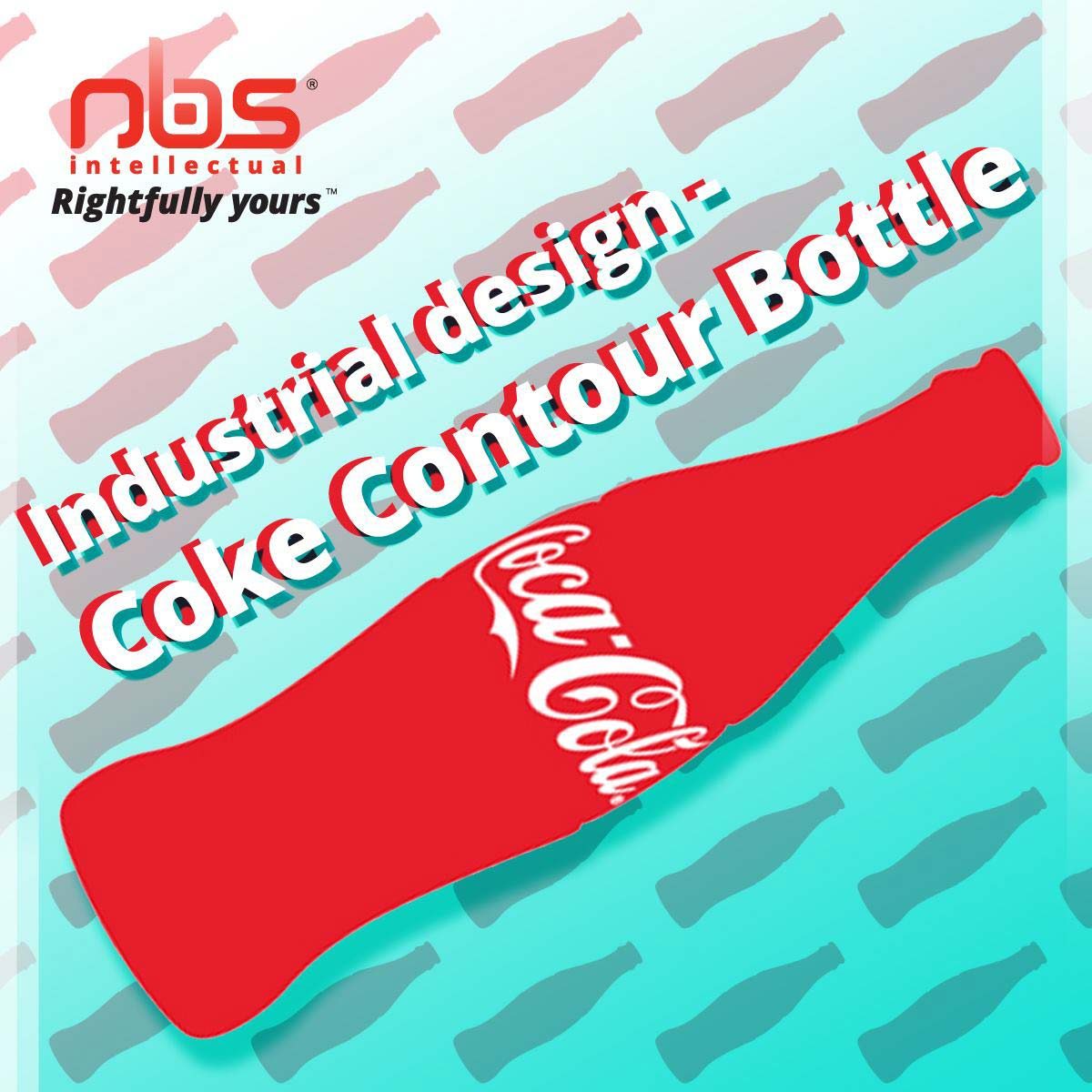
Instantly recognisable, the Coca-Cola contour bottle is a masterpiece in industrial design that dates back to 1915 when the Coca-Cola Company asked its bottle suppliers to design a new bottle that would be distinctive and instantly recognisable – even in the dark. Designer Earl R. Dean took
An industrial design right protects only the appearance or aesthetic features of a product, whereas a patent protects an invention that offers a new technical solution to a problem. In principle, an industrial design right does not protect the technical or functional features of a product. Such features

In principle, the owner of a registered industrial design or of a design patent has the right to prevent third parties from making, selling or importing articles bearing or embodying a design which is a copy, or substantially a copy, of the protected design, when such acts are undertaken for commercial

While it is certainly true that not all enterprises develop patentable inventions, it is a wrong to believe that patents only apply to complex physical or chemical processes and products or that they are only useful to large corporations. Patents can be obtained for any area of technology from paper





 +603-5891 4846
 +603-5879 9908
